






Launch vehicles
| Published: | 11.01.2026 |
As always, Wikipedia offers far more detailed tables.
The next launches
Direct links to corresponding Wikipedia pages with upcoming starts or start attempts. These lists are very well maintained and are usually up to date again a few minutes after a start.
Europehttps://en.wikipedia.org/wiki/Ariane_6#Planned_launches - Ariane 6
https://en.wikipedia.org/wiki/Vega_C#Future_launches - Vega-C
https://en.wikipedia.org/wiki/Spectrum_(rocket)#Past_launches - Spectrum USA
https://en.wikipedia.org/wiki/New_Glenn#Planned_launches - New Glenn
https://en.wikipedia.org/wiki/List_of_Starship_launches#Future_launches - Starshit
https://en.wikipedia.org/wiki/List_of_Falcon_9_and_Falcon_Heavy_launches#Future_launches - Falcon International
https://en.wikipedia.org/wiki/Rocket_Lab_Neutron#Development_timeline - Neutron
https://en.wikipedia.org/wiki/List_of_Electron_launches#Upcoming_orbital_launches - Electron
Table
| Name | FF | Starts | SSO | LEO | GTO | TLI | Costs |
| New Glenn 7x2 * | 2025 | 2/2 | - | 45 | 13,6 | 7 | 68-110 |
| New Glenn 9x4 * | (2026) | - | - | 70 | - | >20 | - |
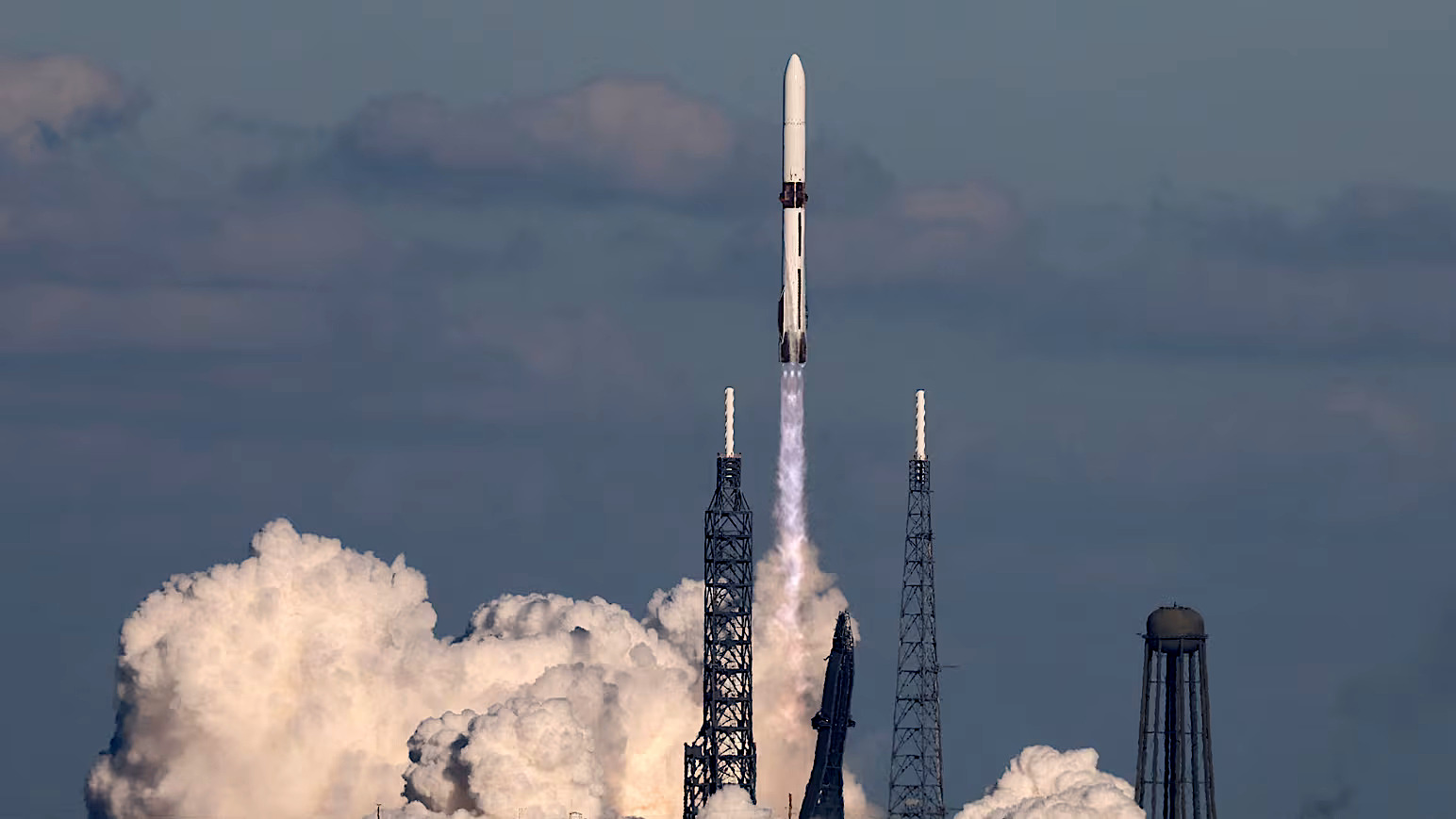
| Starship * | (2026) | - | - | >100 | - | - | >100 |
| Falcon Heavy | 2018 | 11/11 | - | 63 | 26 | - | 150+ |
| Falcon 9 * | 2010 | 500+ | - | 17 | 5,5 | - | 70+ |
| Ariane 62 | 2025 | 4/4 | - | 12 | 5 | 3,5 | 100 |
| Ariane 64 | (2026) | - | - | 23 | 12 | 8,6 | 115 |
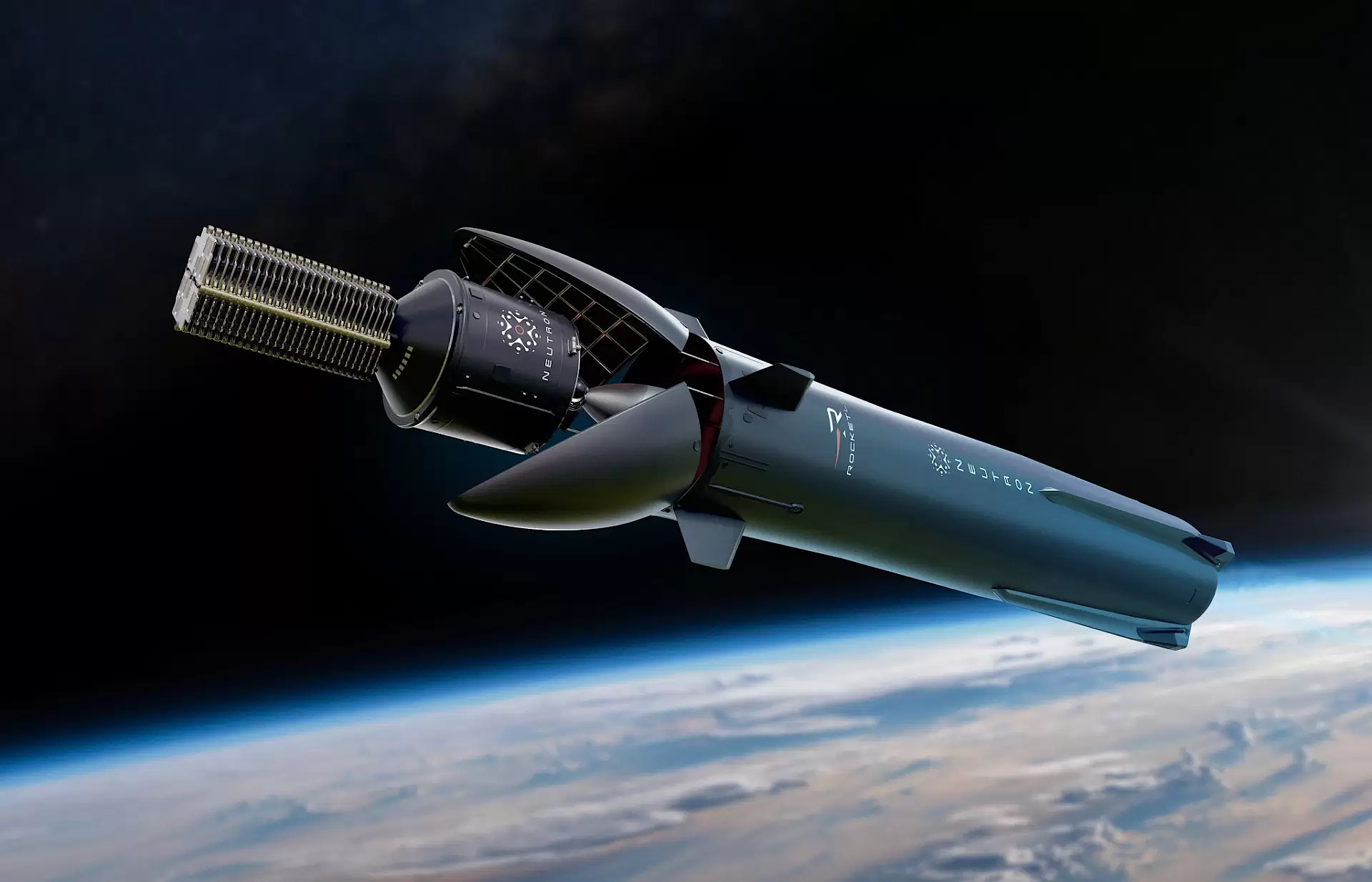
| Neutron * | (2026) | - | - | 13 | - | - | 50 |
| Vega C | 2022 | 5/6 | 2,3 | - | - | - | 37 |
| Spectrum | 2025 | 0/1 | 0,7 | 1 | - | - | 10 |
Lines marked with * concern information for partially reusable rockets.
FF: First flight or first successful flight with the release of a payload in a stable orbit.
Starts: Successful launches and launch attempts into orbit by the end of 2025, excluding test flights.
SSO: Payload in tons, here sun-synchronous (polar) Earth orbit
LEO: Low Earth Orbit (approx. 400 km)
GTO: Geostationary Transfer Orbit
TLI: Trans Lunar Injection or Moon Transfer Orbit
Costs: per launch in millions of dollars Notes
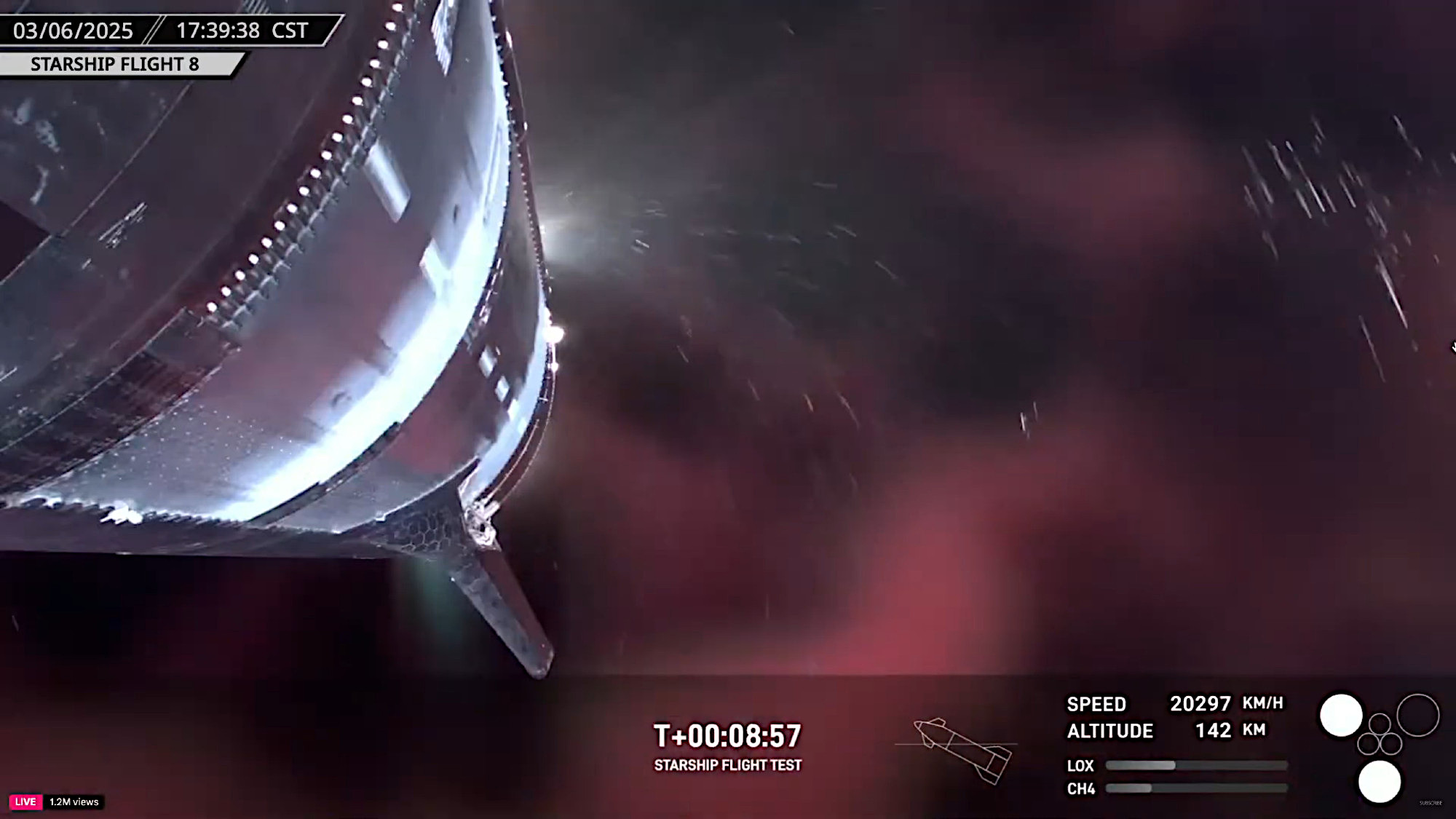
Starship: Has already launched (or tried) 11 times, but never into orbit.
Ariane 6: Information for the version with improved boosters, which are to be used for the first time in 2026.
Falcon 9: Specifications for reusable version with Ocean Landing. Price is minimal, without entitlement to a new booster, real prices for customers are sometimes much higher.
Falcon Heavy: Information without reuse. 63 tons for the LEO is a theoretical value that will never be used. The fairing is much too small for this mass, and there are no plans to increase it.
Spectrum: Has had an unsuccessful launch attempt. Whether this was a test flight or not is debatable, I booked it as a regular attempt. Costs
The development costs are usually not included in the launch price, so the prices are distorted. Ariane 6 is additionally subsidized by the EU per flight so that it is competitive at all.
New Glenn
My greatest hope for a stable heavy-lift rocket actually lies in Jeff Bezos' rocket. I would not have expected that it would deploy its payload without any problems on the first, and land with pinpoint accuracy on the second attempt. Setbacks will come, but so far they have the long thing under control.
Although not yet in commercial use, a larger version is already being worked on. Instead of 45 tons, the next development stage is to transport 70 tons into a LEO, and the first starts of the upgrade have already been announced for 2026.
Unfortunately, Blue Origin is keeping a low profile with news and facts. Take-offs are only announced a few days in advance, and as far as the cost per flight is concerned, I have not yet come across any reliable numbers.
In the first quarter of 2026, the prototype of a Moon lander is to be sent on its way.
Starship
Neutron
ESA 60 ton launcher
At the end of 2024, ESA finally decided to start the development of a partially reusable launch vehicle ... or at least to announce it. It is to carry 60 tons into orbit, powered by liquid methane and oxygen, a novelty for the european rocket industry, which is fixated on hydrogen.
But that will take time. Apart from small-scale test flights, I estimate that the first launch of the complete rocket will not take place before 2032. I would be very surprised to see it commercially before 2034 given the delays in the development of Ariane 6.
Official announcement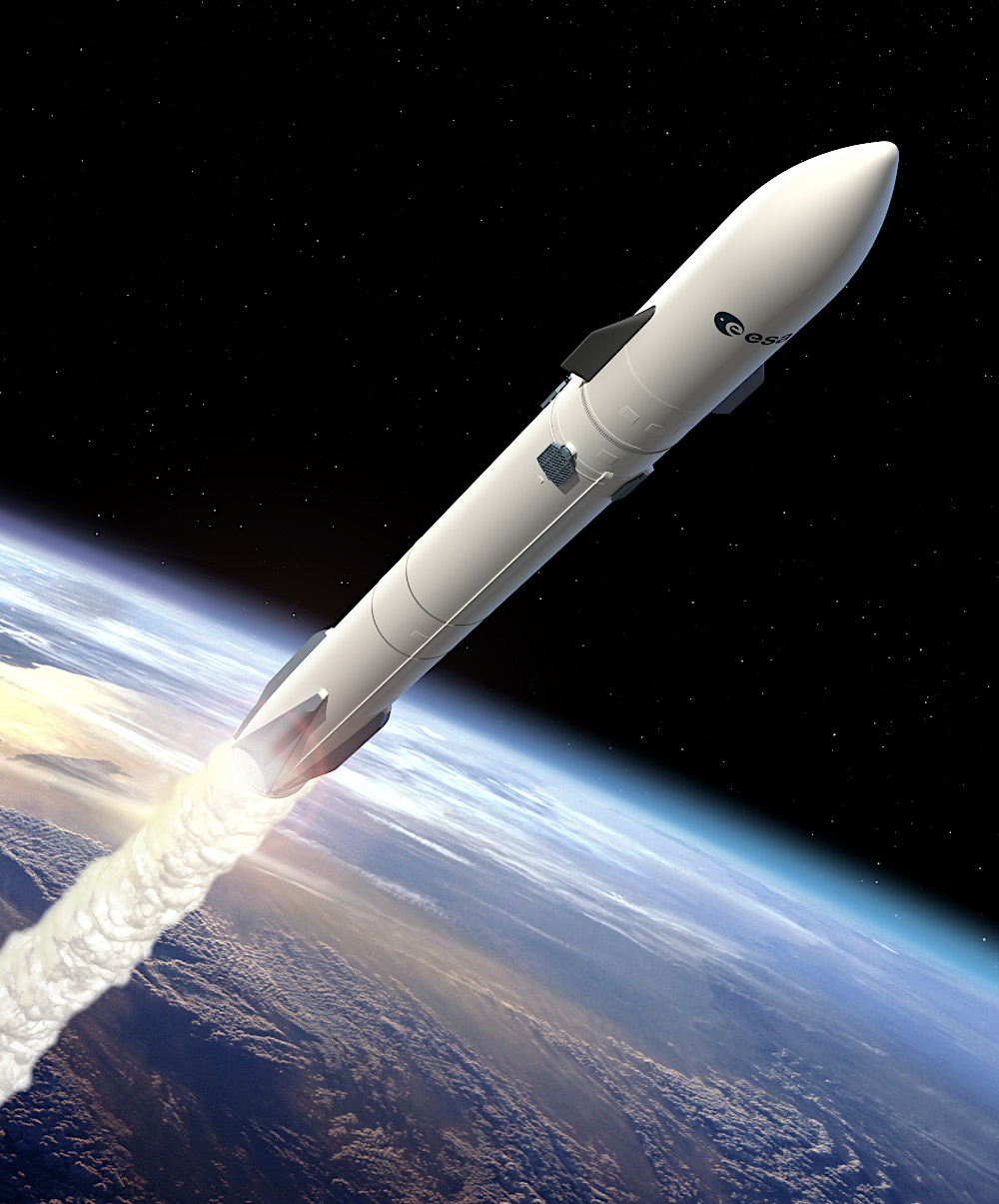
https://www.esa.int/.../...European_very_heavy_reusable_rocket News about it
https://europeanspaceflight.com/esa-once-again-publishes-60t-rocket-study-call/