






Events - 2026 to 2028
| Published: | 22.01.2026 |
2026
- Vera Rubin - First results
- IMAP - First results
- MMX + Idefix - Start towards Phobos
- Bepi-Colombo - Arrival at Mercury
- Hera - Arrival
2027
- Lucy - Two asteroid flybys
- MMX - Arrival at Phobos
- Escapade - Arrival at Mars
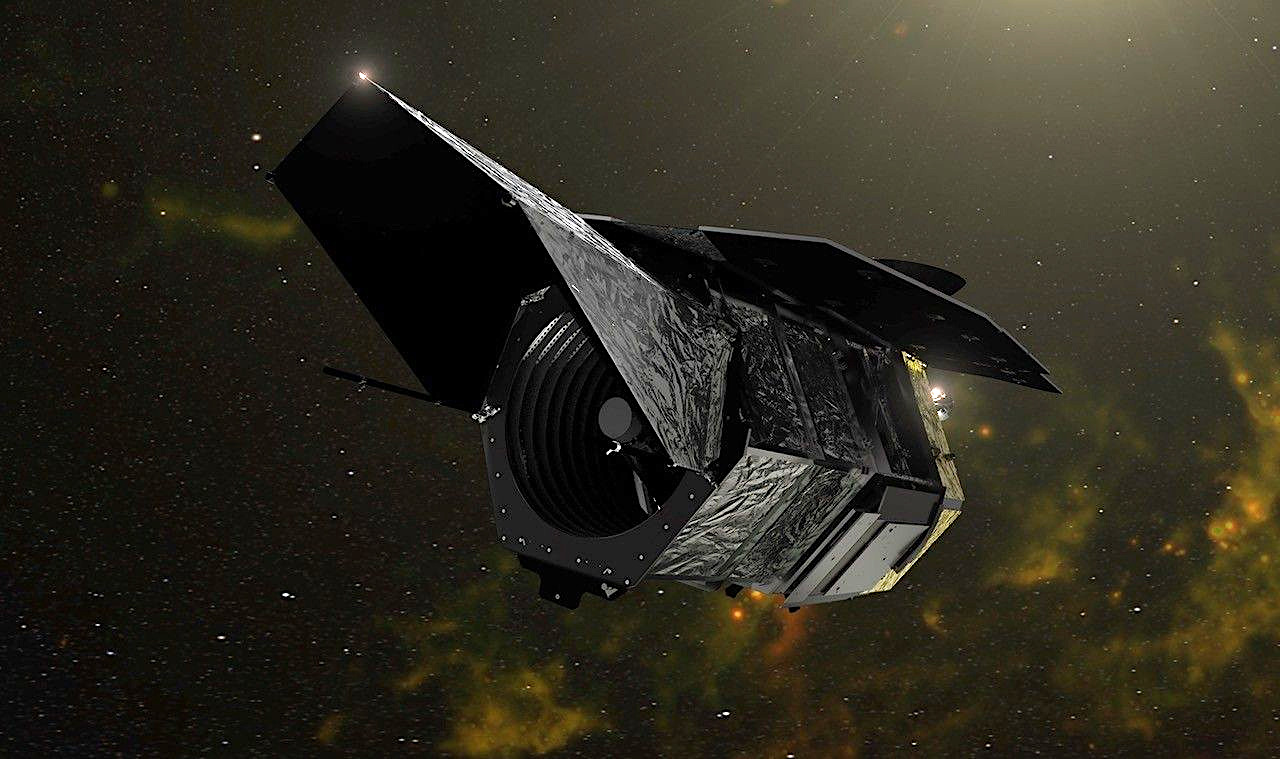
- Roman Space Telescope - Launch
2028
- Lucy - Two asteroid flybys
- NEO-Surveyor - Launch
Moreover
- Vera Rubin - First results
- IMAP - First results
- MMX + Idefix - Start towards Phobos
- Bepi-Colombo - Arrival at Mercury
- Hera - Arrival
2027
- Lucy - Two asteroid flybys
- MMX - Arrival at Phobos
- Escapade - Arrival at Mars
- Roman Space Telescope - Launch
2028
- Lucy - Two asteroid flybys
- NEO-Surveyor - Launch
Moreover
2026
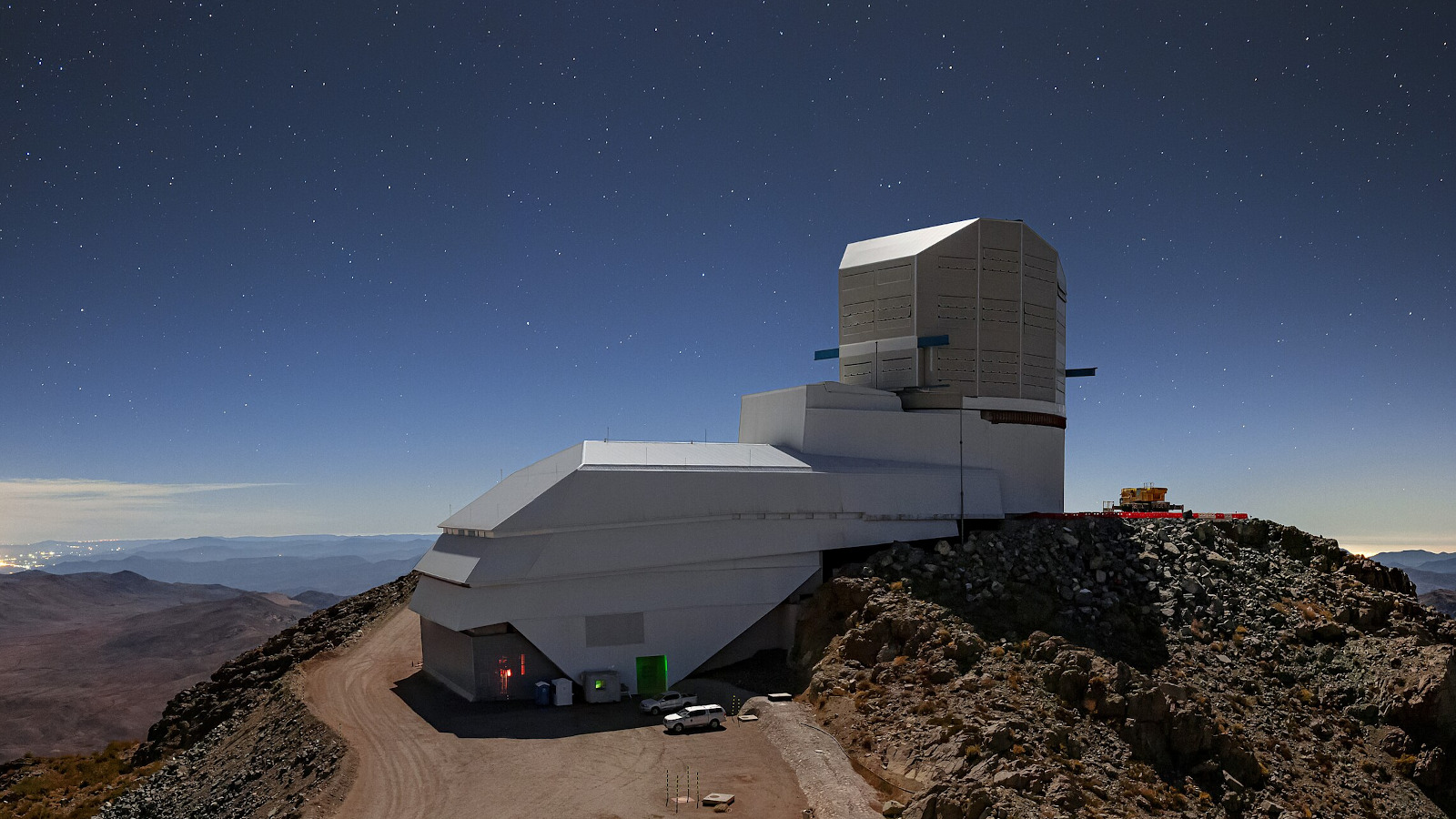
Vera Rubin - First results
https://en.wikipedia.org/wiki/Vera_C._Rubin_Observatory
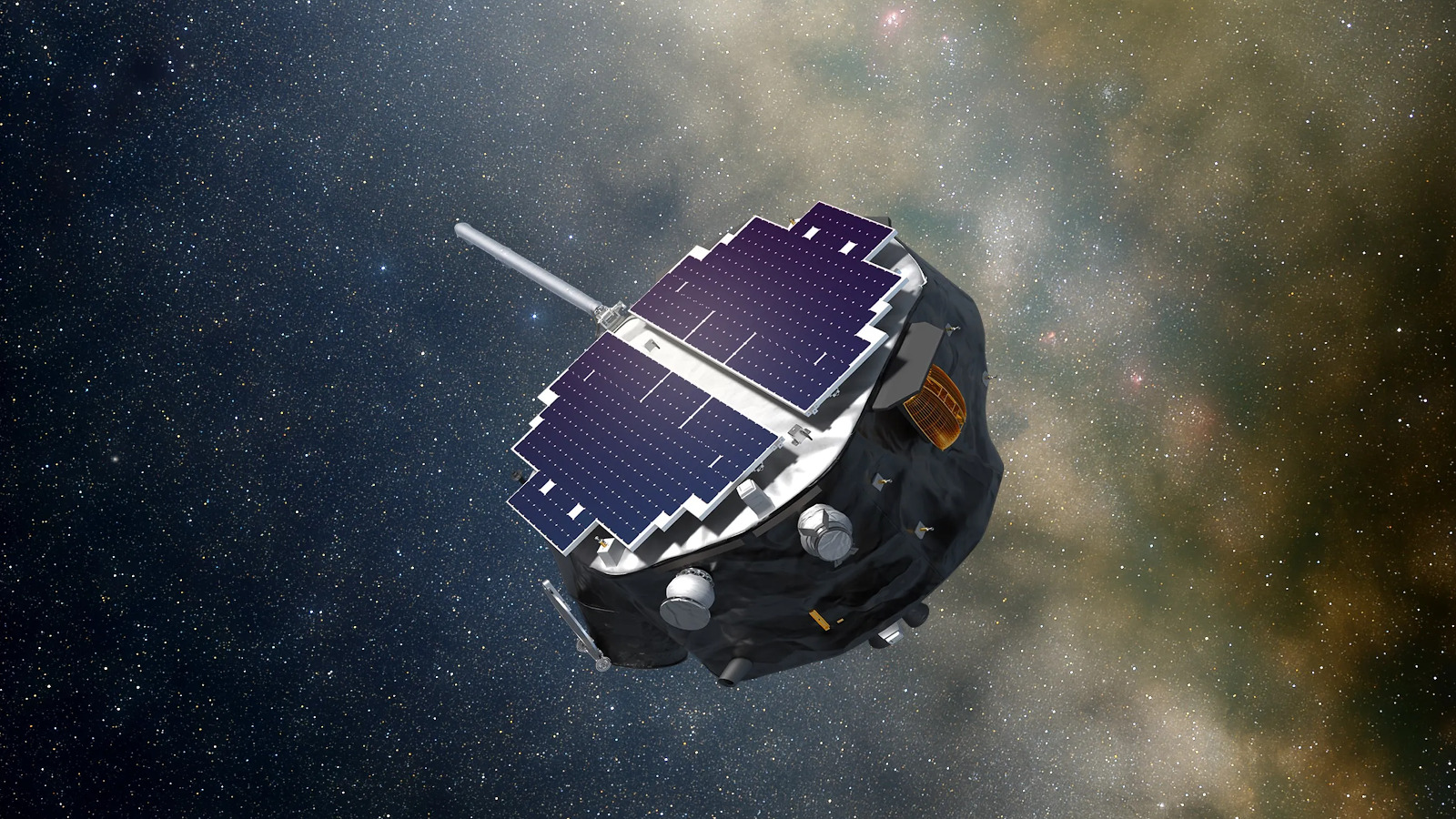
IMAP - First results
https://science.nasa.gov/mission/imap/
https://en.wikipedia.org/wiki/Interstellar_Mapping_and_Acceleration_Probe
https://science.nasa.gov/blogs/imap/2026/02/02/nasas-imap-begins-primary-science-mission/
MMX + Idefix - Start towards Phobos
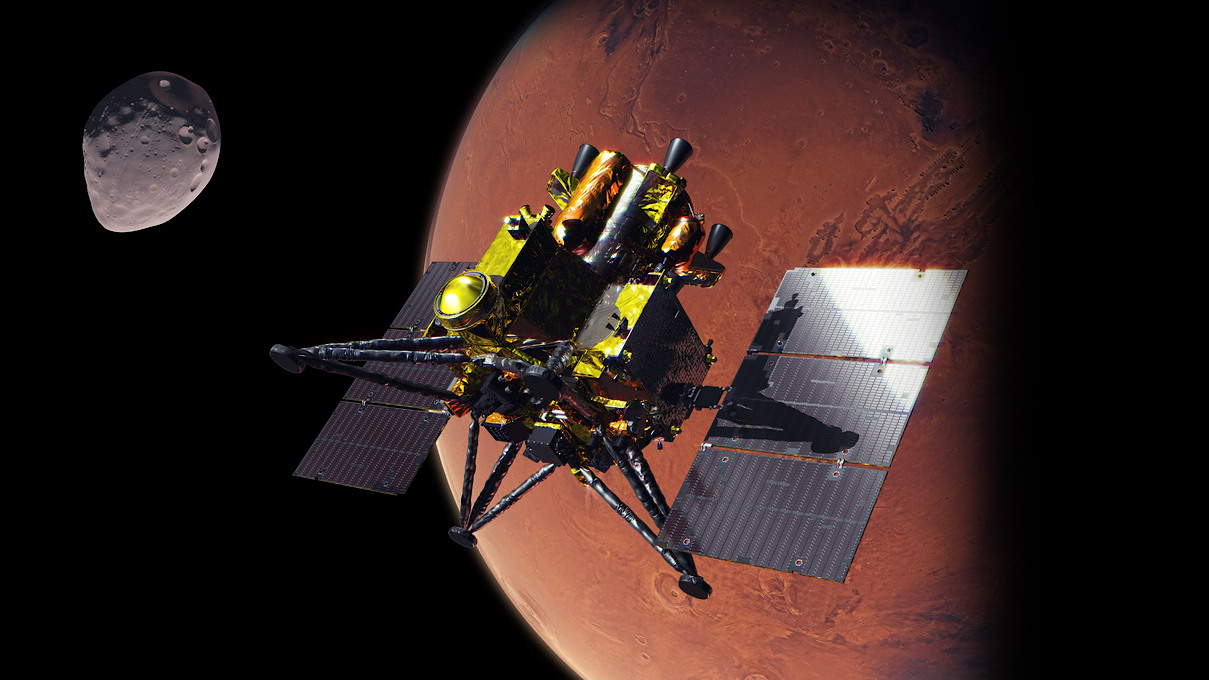
The H3 launch vehicle had a false launch at the end of December 2025, which is still being investigated. Hopefully it will work out with the start date, otherwise we will have to wait 2 years. https://www.mmx.jaxa.jp/en/
https://www.dlr.de/en/research-and-transfer/projects-and-missions/mmx
https://en.wikipedia.org/wiki/Martian_Moons_eXploration
Bepi-Colombo - Arrival at Mercury
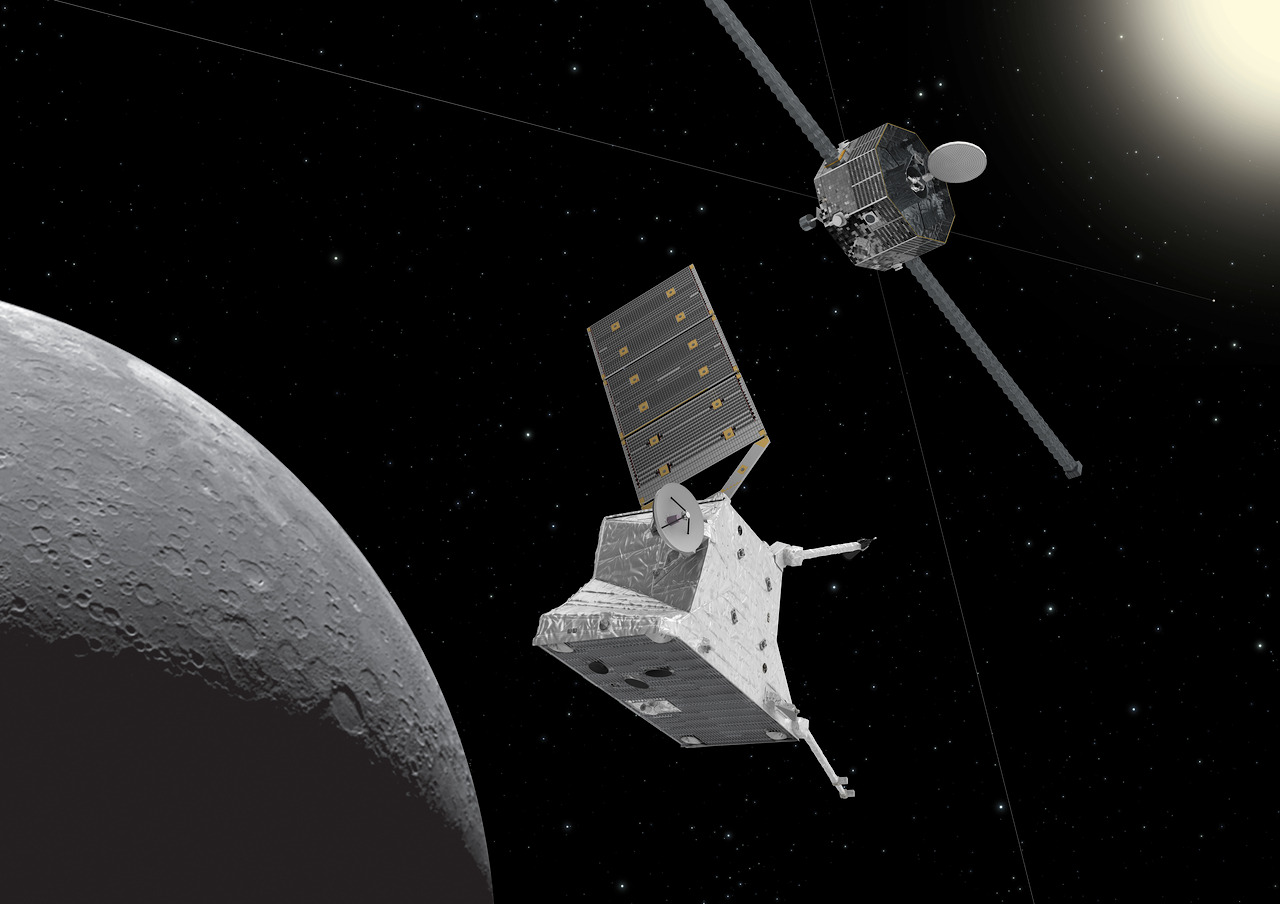
https://www.esa.int/Science_Exploration/Space_Science/BepiColombo
https://en.wikipedia.org/wiki/BepiColombo
Hera - Arrival
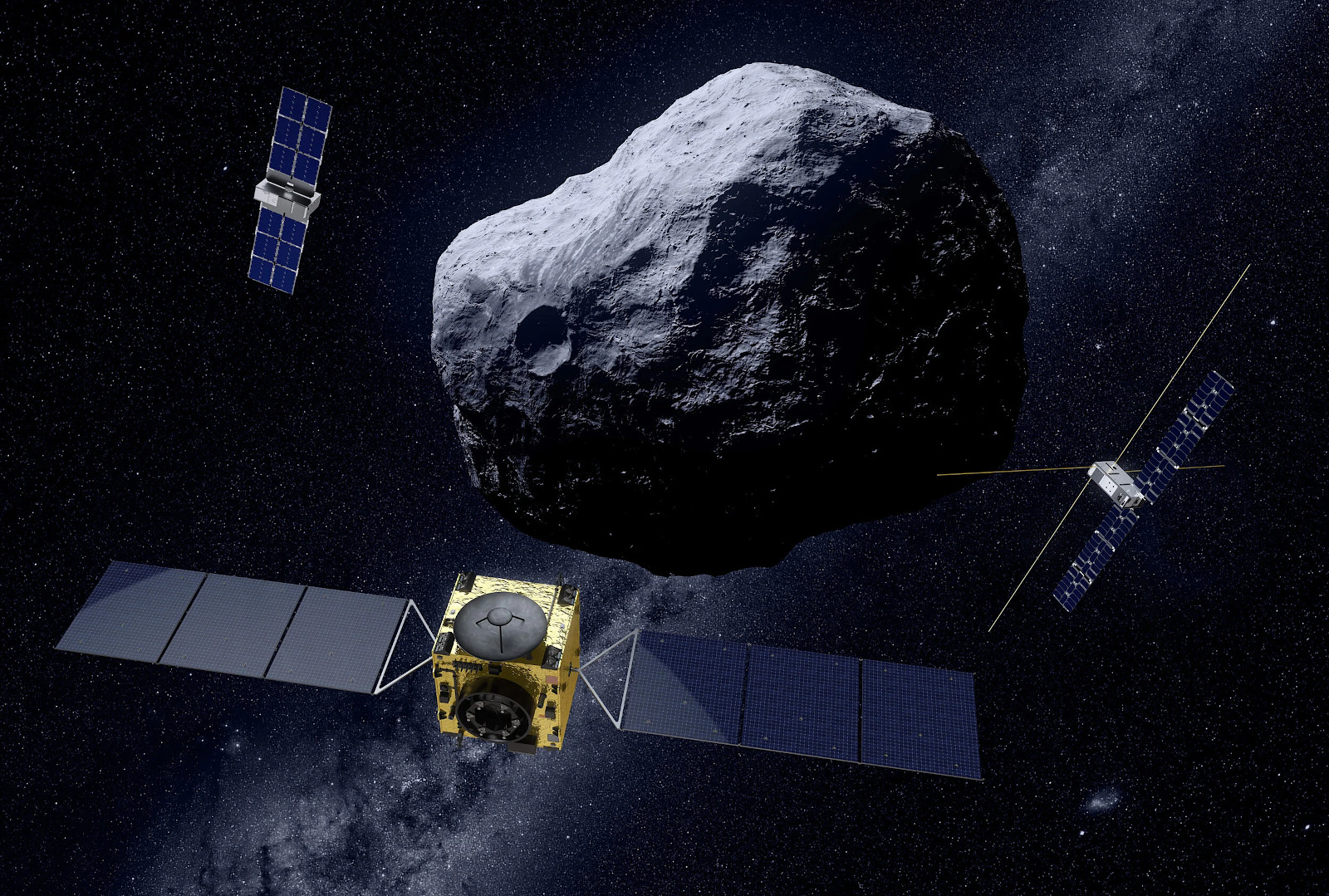
The ESA built Hera will reach the asteroids in December 2026 and will investigate the visible effects of the impact on the moon and the extent to which the event affected the immediate surroundings. https://www.heramission.space/
https://en.wikipedia.org/wiki/Hera_(space_mission)
https://en.wikipedia.org/wiki/65803_Didymos
2027
Lucy - Two asteroid flybys
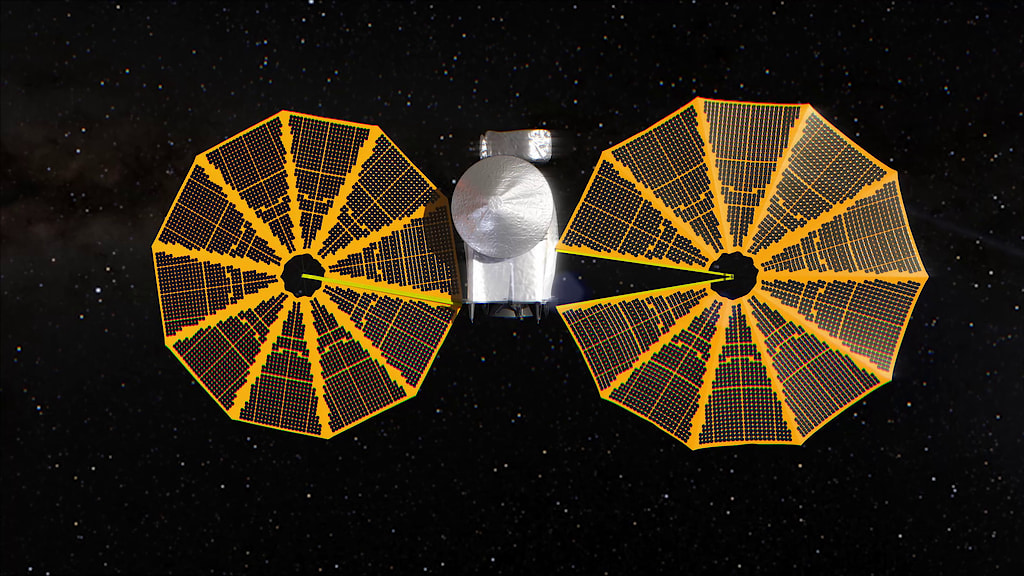
Immediately after the launch in October 2021, one of the solar cell wings could not be fully deployed, missing a few percent of electrical power. So far, NASA has the problem under control and nothing stands in the way of the mission being carried out as planned. https://lucy.swri.edu/
https://en.wikipedia.org/wiki/Lucy_(spacecraft)
https://en.wikipedia.org/wiki/3548_Eurybates
https://en.wikipedia.org/wiki/15094_Polymele
MMX - Arrival at Phobos
The Japanese MMX spacecraft will reach Mars in July and enter orbit around Phobos in September. This will be followed by a 15-month exploration from orbit before sampling is ventured at the beginning of 2029.
https://en.wikipedia.org/wiki/Phobos_(moon)
Escapade - Arrival at Mars
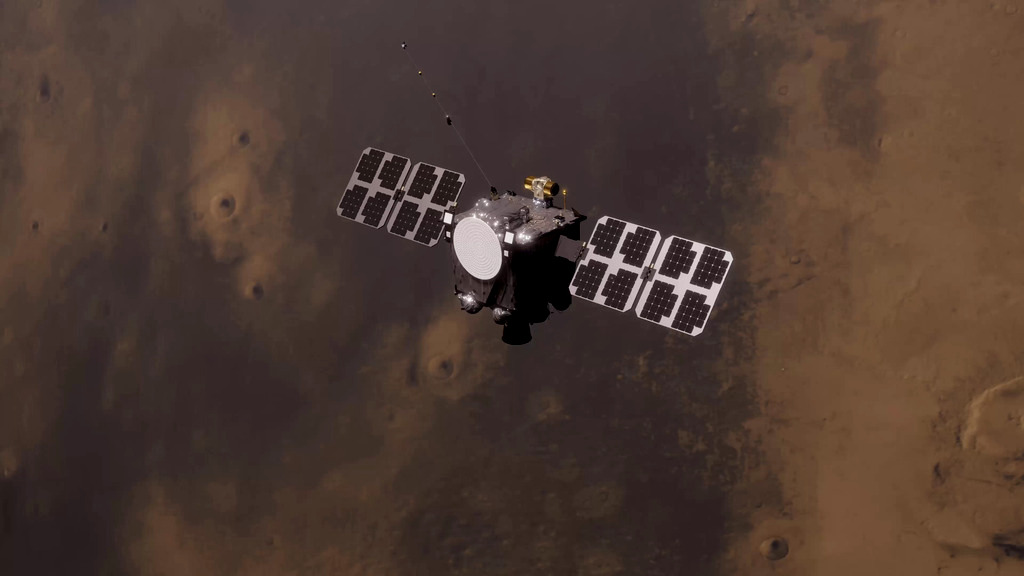
https://en.wikipedia.org/wiki/ESCAPADE
Roman Space Telescope - Launch
https://science.nasa.gov/mission/roman-space-telescope/
https://en.wikipedia.org/wiki/Nancy_Grace_Roman_Space_Telescope
2028
Lucy - Two asteroid flybys
Once again Lucy is flying past asteroids, Leucus in April 2028 and Orus in October. That's it for the next years, another will take place in 2033.
https://en.wikipedia.org/wiki/11351_Leucushttps://en.wikipedia.org/wiki/21900_Orus
NEO-Surveyor - Launch
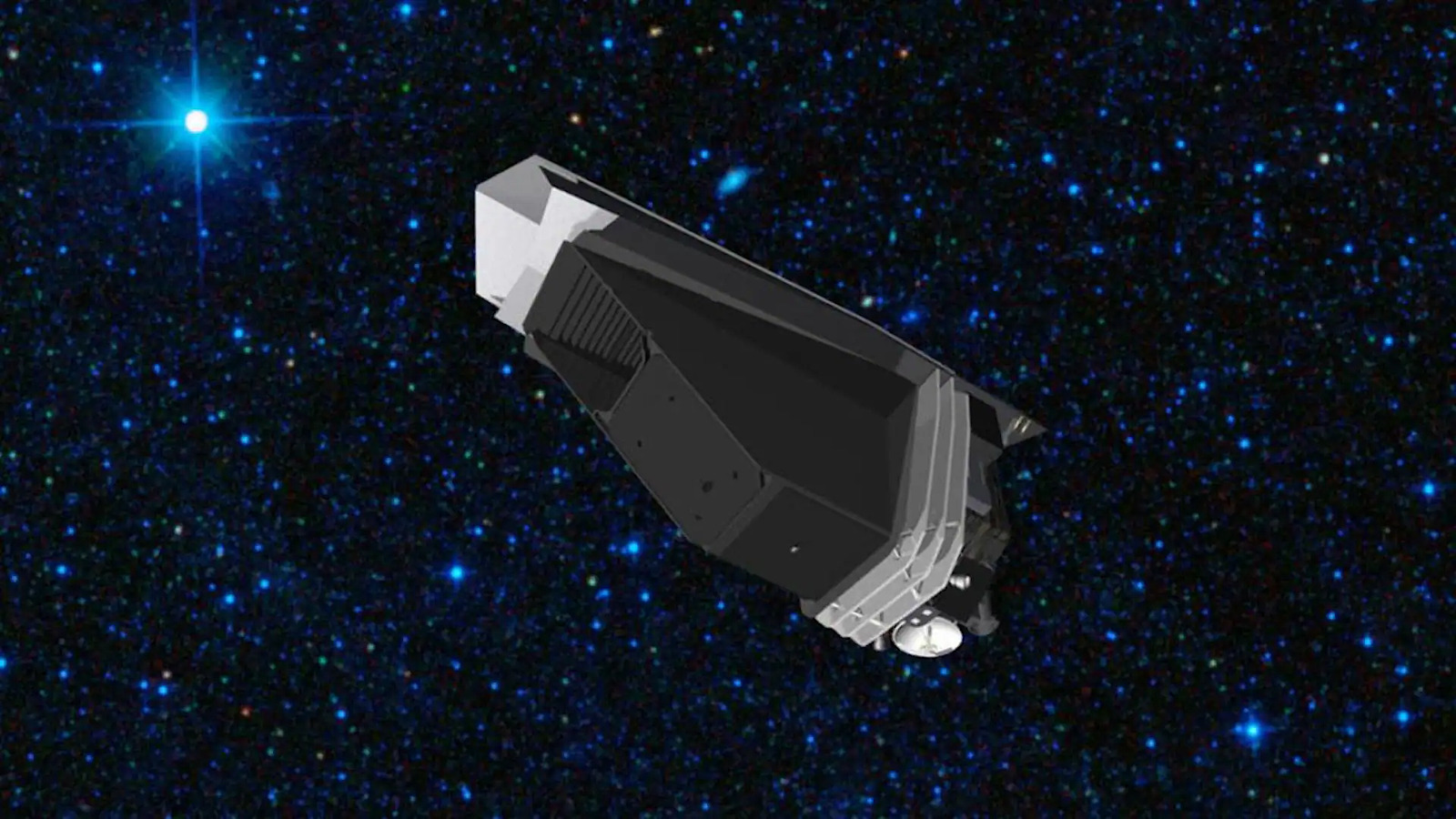
It is not yet certain when the launch will take place. Some sources speak of 2027, others of 2028. Since the mission is only partially represented in the news, I suspect 2028. Construction began in spring 2025. https://neos.epss.ucla.edu/
https://en.wikipedia.org/wiki/NEO_Surveyor
Moreover
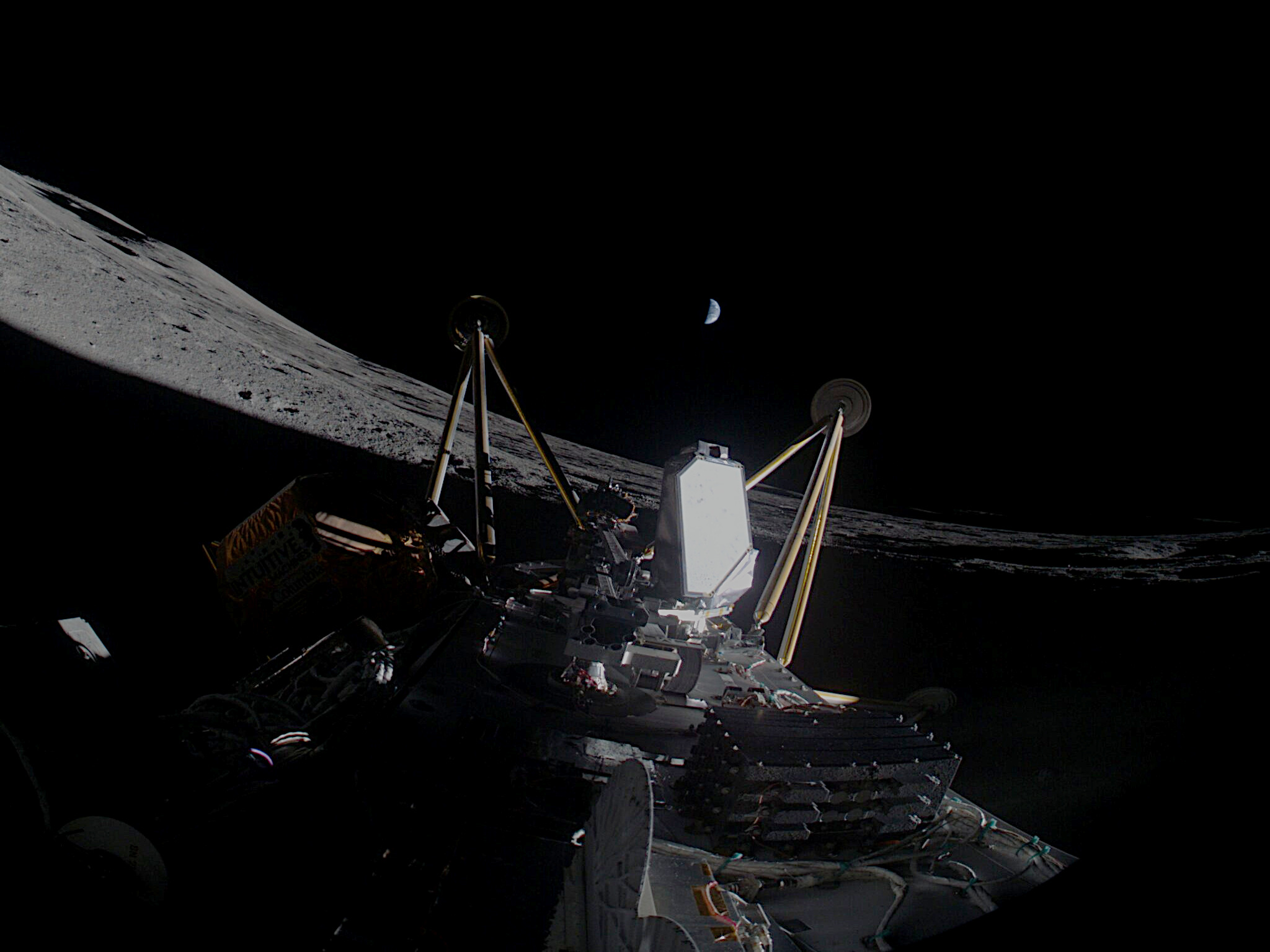
Moonlander IM-2 Athena
I've lost track of it a bit in recent years, so many quietly announced, sometimes very small landers have tried their hand at the moon. Some made the landing, some didn't, and several ... something in between. This will continue in the same manner, probably with mixed success as before. A large lander from Blue Origin could be launched as early as spring 2026, which I give higher chances of success. Manned orbit of the moon
Project Artemis has to contend with many time shifts and problems, but they should be able to complete a manned orbit of the moon between 2026 and 2028. I don't expect the first human landing on the moon since the Apollo missions until 2028 at the earliest, rather later. https://www.nasa.gov/mission/artemis-ii/

Spectrum, first try
Several launch rockets of different sizes are likely to go into regular operation.
With the Starship, probably no one knows where this will end and whether Musk's darling will ever be finished at all. New Glenn, on the other hand, has completed two successful launches in 2025, one successful landing, and could enter regular operations in 2026.
The smaller rockets Neutron (New Zealand) and Spectrum (Germany) still have to prove themselves, the latter has had a false launch, several attempts are planned for 2026.
For an overview see page Space - Launch vehicles.
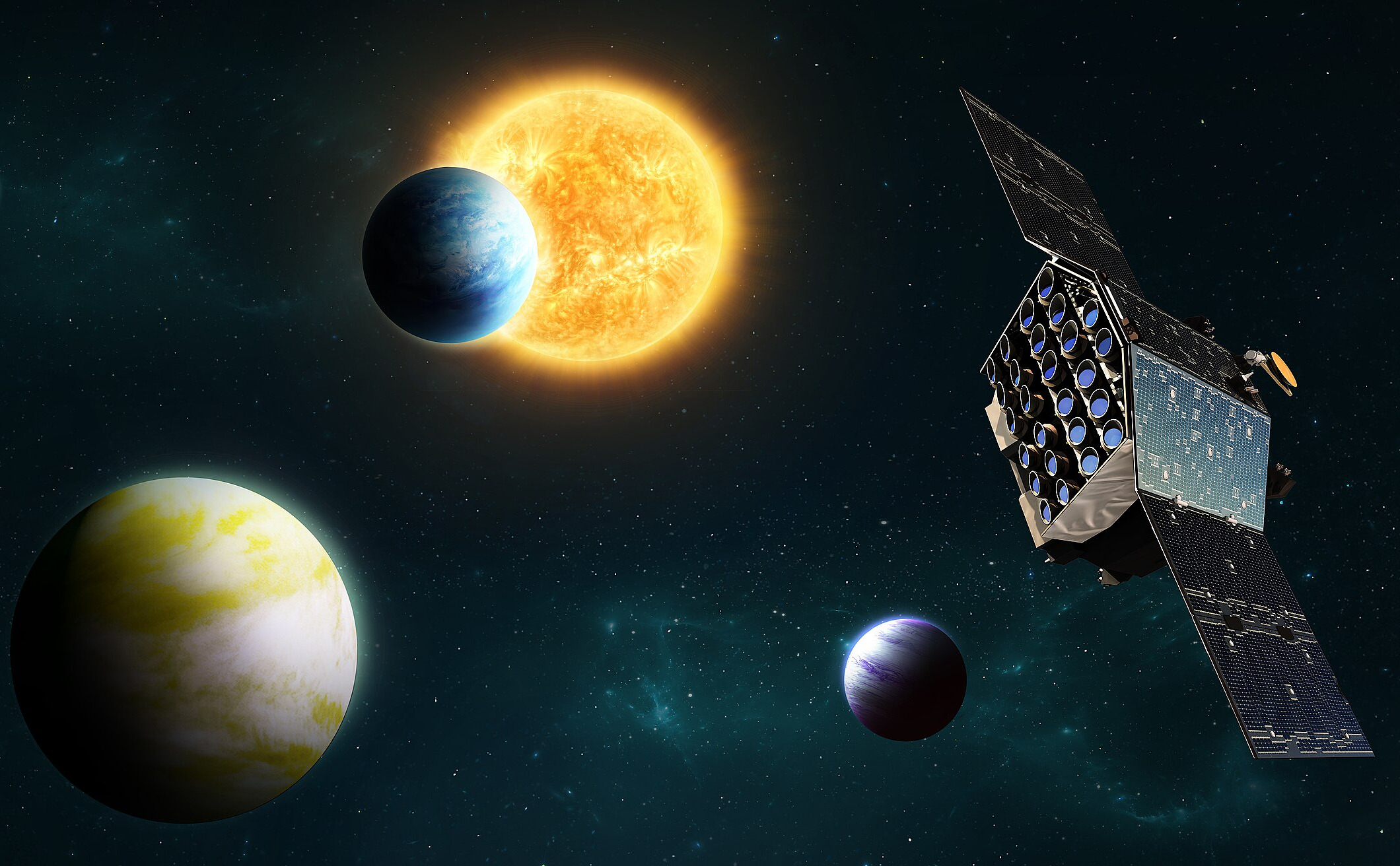
Plato
The launch of several space telescopes is imminent, which will go in search of exoplanets or investigate already known ones in more detail. ESA's Plato mission is equipped with 26 small telescopes and will go on a search, while the smaller Pandora is designed to study individual planets and their atmospheres. Plato is scheduled to go on its journey at the beginning of 2027, Pandora has already taken this step on January 10, 2026. https://science.nasa.gov/mission/pandora/
https://www.esa.int/Science_Exploration/Space_Science/Plato
https://en.wikipedia.org/wiki/PLATO_(spacecraft)